The economic vitality of India in 2026 is inextricably linked to the resilience and growth of its small-scale industrial and service sectors. At the heart of this growth lies the micro, small and medium enterprises loan, a financial instrument that has evolved from a simple credit line into a sophisticated tool for strategic scaling. As the national goal of a five trillion dollar economy moves closer to realisation, the role of structured, asset-backed finance has become paramount. For the business owner in the bustling industrial hubs of Haryana or the emerging entrepreneurial corridors of Bihar and Uttar Pradesh, understanding the nuances of a secured business loan is no longer just an accounting requirement but a competitive necessity.

Secured business lending represents a partnership between an institution and an enterprise, where the presence of collateral serves as a bridge of trust. This bridge allows for the disbursement of significant capital amounts at an MSME loan interest rate that is far more sustainable than its unsecured counterparts. Archbridge Capital, as a specialized non-banking financial company (NBFC), focuses on this specific segment, providing secured loans ranging from ₹3 lakh to ₹25 lakh with tenures extending up to ten years. This guide serves as an exhaustive resource, detailing the mechanisms of eligibility, the complexities of interest rate determination, and the specific procedures required to navigate the Indian MSME lending landscape effectively.
The Strategic Importance of Asset-Backed Finance for MSMEs
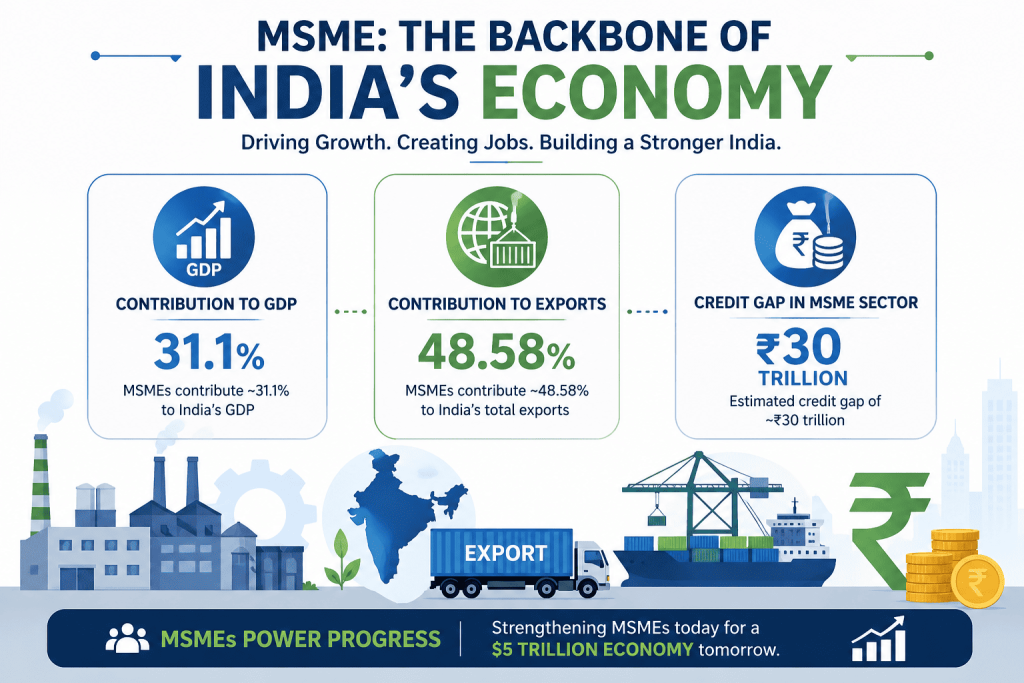
In the current financial year of 2025 to 2026, the Indian MSME sector contributes approximately 31.1 percent to the national Gross Domestic Product and nearly 48.58 percent to total exports. Despite this massive contribution, the credit gap in the sector remains a significant hurdle, estimated at approximately ₹30 trillion. A secured bank loan or NBFC facility addresses this gap by lowering the risk profile of the borrower. When an enterprise pledges an asset, such as a commercial property or industrial machinery, it signals a long-term commitment to the business’s success, which lenders reward with better terms.
The philosophy of secured lending at Archbridge Capital is rooted in financial inclusion and the transformation of lives. By providing a structured micro, small and medium enterprises loan, the institution enables startups and established businesses to purchase new equipment, upgrade infrastructure, or manage significant working capital requirements without the crushing burden of high-interest short-term debt. You can read more about the differences between MSME loan interest rates, criteria, and procedures in our article on secured vs. unsecured loans.
Archbridge Capital Pvt. Ltd. lends to Udyam-registered MSME borrowers as part of its deliberate effort to align with the Government of India’s policy objectives for the MSME sector and to contribute to national targets for financial inclusion and formal credit access.
Eligibility Framework and MSME Loan Criteria
Navigating the MSME loan criteria requires a clear understanding of what lenders look for during the appraisal process. While collateral is the primary security, the creditworthiness of the business and its promoters remains a key factor. For a secured micro, small and medium enterprises loan, lenders generally follow a three-pronged eligibility assessment focusing on the individual, the entity, and the asset.
Individual and Promoter Eligibility
The primary applicant or the authorized signatory must meet specific age and experience requirements. Most institutions, including Archbridge Capital, require the applicant to be at least 21 years old at the time of application and not older than 65 years at the time of loan maturity. Furthermore, the promoter should have a minimum of three years of experience in the current business line or at least five years of overall experience in the relevant industry.
The credit score, typically measured by CIBIL, serves as a proxy for the borrower’s repayment intent. For a secured bank loan or NBFC facility, a score of 700 or above is generally expected. While the asset provides the security, the credit score reflects the discipline with which the borrower manages existing obligations. A higher score often acts as a leverage tool for the borrower to negotiate a better MSME loan interest rate.
Business Entity Eligibility
The business must be a legally recognized entity in India. This includes sole proprietorships, partnership firms, private limited companies, limited liability partnerships (LLPs), and public limited companies. To qualify for a micro, small and medium enterprises loan, the business should typically have been operational for at least 2 to 3 years, demonstrating a steady track record of revenue and profitability.
Financial health is measured through annual turnover and net income. While requirements vary by product, a minimum annual turnover of ₹10 lakh and a basic annual income of ₹2 lakh are common benchmarks for small-ticket secured loans. Lenders analyze the last six to twelve months of bank statements to ensure consistent cash flows and the absence of financial red flags like frequent cheque bounces or large, unexplained cash withdrawals.
Collateral Eligibility for Secured Loans
The pledged asset is the cornerstone of a secured business loan. Archbridge Capital accepts a variety of assets as collateral, provided they have a clear and marketable title. This typically includes residential property, commercial shops, office spaces, and demarcated plots. The property must be free from any legal disputes or existing encumbrances.
The Loan to Value (LTV) ratio is a technical term that every borrower should understand. It represents the percentage of the asset’s current market value that the lender is willing to provide as credit. For example, if a commercial property in Gurugram is valued at ₹1 crore and the lender offers an LTV of 70 percent, the maximum loan amount would be ₹70 lakh. In 2026, typical LTVs for secured business lending range from 60 percent to 75 percent, depending on the asset type and location.
Detailed MSME Loan Interest Rate Mechanics
The micro small and medium enterprises loan interest rate is not a static number but a dynamic calculation influenced by macroeconomic factors and specific business risks. In 2026, the Reserve Bank of India (RBI) mandates that loans to micro and small enterprises must be linked to an external benchmark, such as the Repo Rate.
Components of the Interest Rate
The interest rate paid by the borrower is typically composed of the benchmark rate plus a spread or margin. If the repo rate is 5.25 percent and the lender’s spread for a specific risk category is 4 percent, the effective interest rate would be 9.25 percent. For a secured business loan, this rate is usually significantly lower than for unsecured credit because the asset mitigates the lender’s risk of capital loss.
The following table demonstrates the typical interest rate ranges across different lender categories in India for the 2025 to 2026 period.
| Lender Type | Secured Loan Rate (p.a.) | Unsecured Loan Rate (p.a.) |
| Public Sector Banks | 8.00% to 10.50% | 12.00% to 16.00% |
| Private Sector Banks | 9.50% to 13.00% | 14.00% to 20.00% |
| NBFCs like Archbridge Capital | 8.50% to 13.00% | 16.00% to 24.00% |
| Fintech Lenders | 12.00% to 18.00% | 18.00% to 36.00% |
At Archbridge Capital, the commitment is toward transparency and fairness. While an unsecured MSME business loan in 2026 might cost 16 percent to 24 percent annually, a secured business lending facility often ranges between 8.5 percent and 13 percent.
Reducing Balance Method: Why It Matters
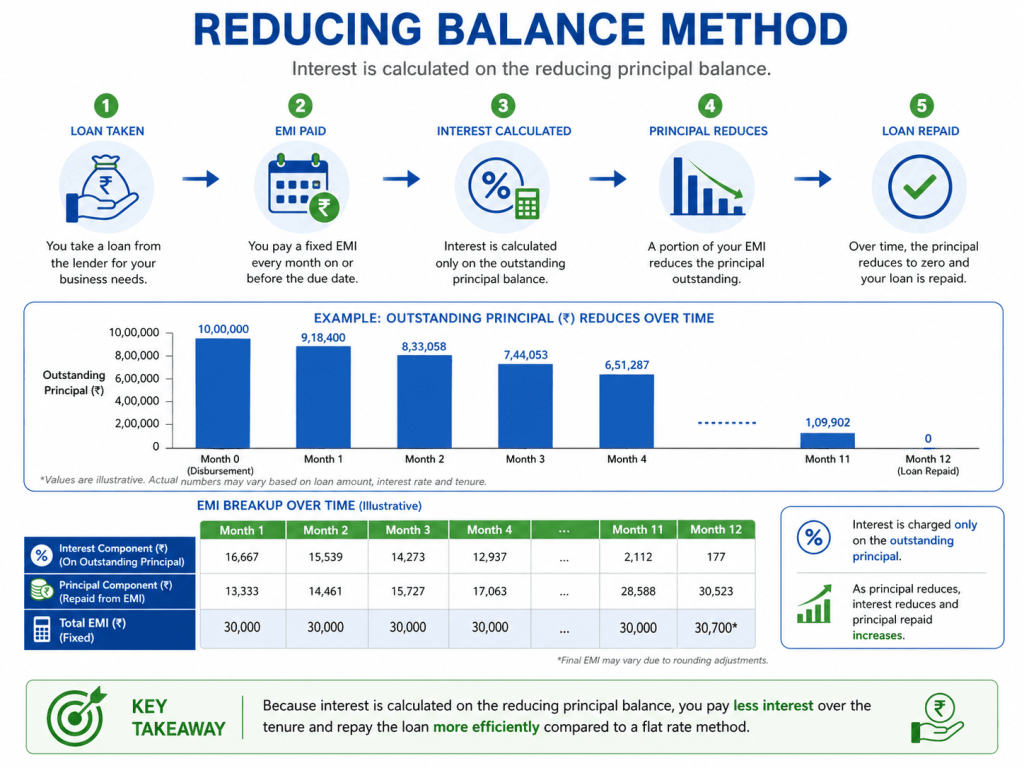
A significant term that first-time borrowers must understand is the “reducing balance method.” Unlike a flat interest rate method, where interest is calculated on the full loan amount for the entire tenure, the reducing balance method calculates interest only on the remaining outstanding principal each month. This means that as you pay your EMIs, the interest component of your next payment decreases, leading to substantial savings over the life of the loan. Archbridge Capital and most institutional lenders follow this transparent method to ensure borrowers are not overcharged.
Comprehensive Document Checklist for MSME Loans
A streamlined msme loan procedure relies heavily on the quality and organization of the documentation provided. Mismatched details between different identity and business proofs are a common cause of delay in the Indian lending system.
KYC and Business Proofs
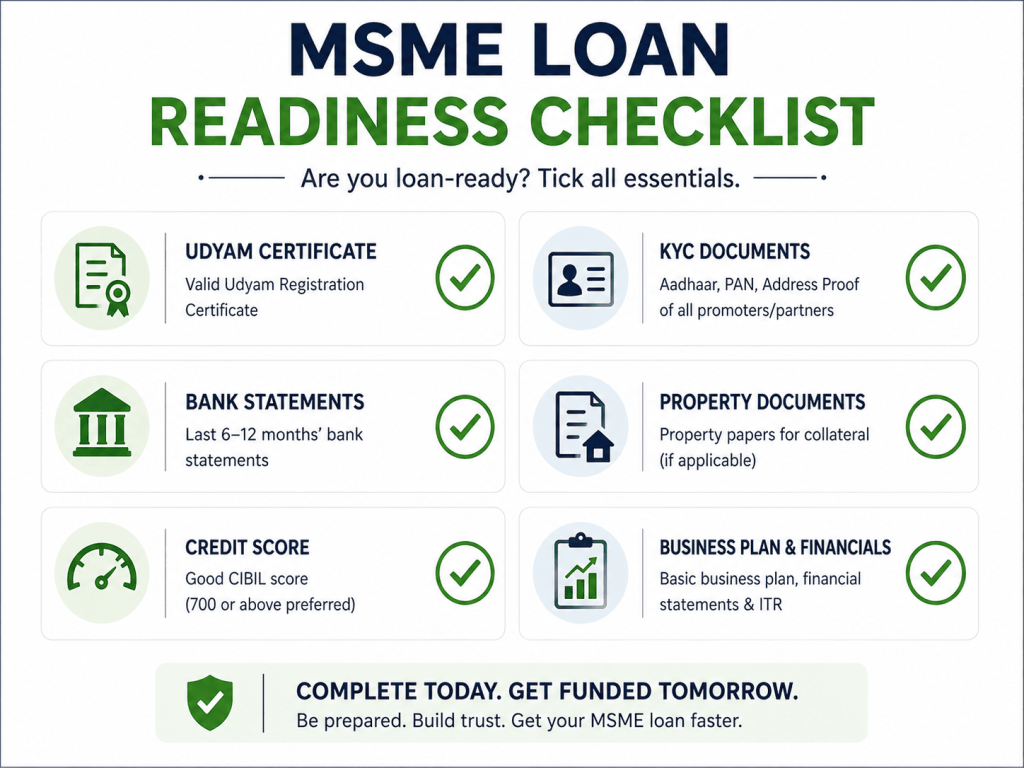
The “Know Your Customer” (KYC) process requires the identity and address proof of all promoters and the business itself. Valid documents include the Aadhaar card, PAN card, Voter ID, or Passport. For the enterprise, the Udyam Registration Certificate is mandatory. Other business proofs may include the GST registration certificate, Trade License, or a Shop and Establishment certificate.
Financial Statements and Tax Records
To assess the repayment capacity, lenders require a deep dive into the business’s financials.
- Bank Statements: Usually for the last six to twelve months for all primary business accounts.
- Income Tax Returns (ITR): Filed returns for the last two to three financial years for both the business and the individual promoters.
- Audited Financials: Balance sheets and Profit and Loss (P&L) statements for the previous two to three years.
- GST Returns: Recent filings that reflect the current operational integrity and sales volume.
Property and Collateral Documents
For a secured business loan, property-specific documents are critical for legal and technical vetting.
- Original Title Deeds: The chain of documents showing ownership.
- Sale Agreement: The initial agreement of purchase for the property.
- Encumbrance Certificate: A document proving the property is free from any legal liabilities or existing mortgages.
- Property Tax Receipts: Recent receipts showing the property is clear of government dues.
- Approved Building Plans: To ensure the construction follows local development bylaws.
The Step-by-Step MSME Loan Procedure
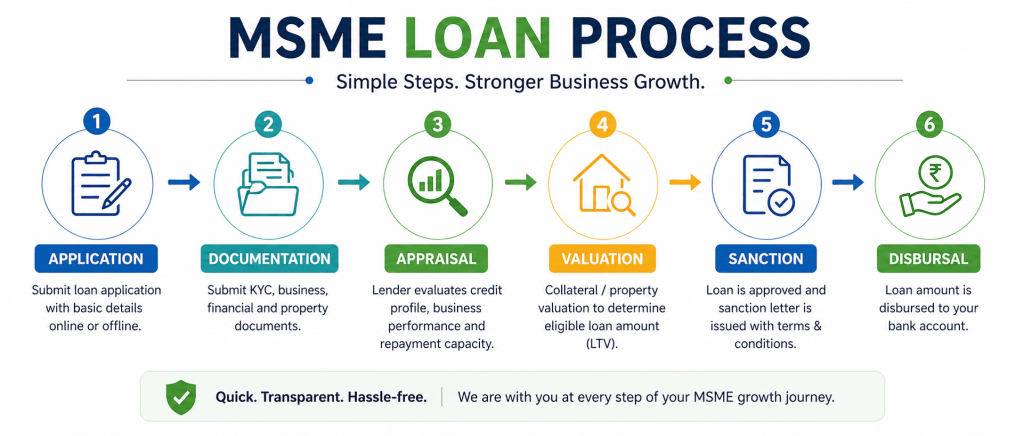
The modern msme loan procedure has been transformed by digital public infrastructure, making it faster and more transparent than in previous decades. Archbridge Capital has designed its journey to be simple and streamlined, focusing on three straightforward steps to get a business funded.
Step 1: Online Application and Initial Screening
The borrower initiates the process by visiting a regional office. This stage involves providing basic business details, the required loan amount, and information about the collateral. A preliminary eligibility check is performed using the Udyam certificate and the promoter’s credit score.
Step 2: Documentation and Credit Appraisal
Once the initial screening is successful, the formal document collection begins. The credit team analyzes the financial statements to determine the business’s Debt Service Coverage Ratio (DSCR), which is a technical term representing the business’s ability to cover its debt obligations with its current net income. This appraisal ensures that the loan amount sanctioned is sustainable for the business’s cash flow.
Step 3: Technical Valuation and Legal Vetting
For a secured business loan, the lender initiates an independent valuation of the pledged asset. A certified valuer visits the property to determine its current market price, which dictates the final loan amount based on the LTV. Simultaneously, legal experts perform a “title search” to ensure that the ownership is legitimate and that the lender can create a legal “charge” or “mortgage” on the asset.
Step 4: Sanction and Disbursal
Upon successful legal and credit checks, a sanction letter is issued, detailing the interest rate, processing fees, and tenure. After the borrower signs the loan agreement and the mortgage is executed, the funds are disbursed directly to the business bank account. In 2026, the entire procedure for a secured loan typically takes 7 to 15 working days.
Startup Lending: Fueling the New Age of Indian Industry
Startup lending has historically been difficult due to the high risk of failure in the first year of operation. However, the current ecosystem in India provides significant support for new ventures. The Vishwakarma Scheme and the Prime Minister’s Employment Generation Programme (PMEGP) are flagship initiatives that provide subsidized loans to micro-enterprises.
Archbridge Capital recognizes the unique challenges faced by startups and specializes in providing tailored business loans for new companies. By utilizing collateral, a startup can bypass the stringent revenue history requirements that usually hinder access to unsecured credit. This allows founders to invest in essential infrastructure, purchase high-tech machinery, and scale their operations while maintaining their equity.
For a startup looking to buy machinery, Archbridge Capital offers competitive rates and flexible repayment terms to enhance production capacity. This approach turns startup lending from a gamble into a calculated investment in the future of the enterprise.
Regional Nuances: Lending in Bihar, Uttar Pradesh, and Haryana
The MSME landscape varies significantly across the diverse regions of India. Archbridge Capital focuses on serving families and businesses across Bihar, Uttar Pradesh, Rajasthan, and Haryana. In these regions, manufacturing units in sectors like textiles, food processing, and auto components are the backbones of the local economy.
In states like Bihar and Uttar Pradesh, many enterprises operate in the informal sector. The government’s Udyam Assist Platform (UAP) has been instrumental in formalizing these Informal Micro Enterprises (IMEs). By obtaining a Udyam Assist Certificate, these businesses can qualify for priority sector lending even if they lack complex documentation like GST registrations. This regional focus ensures that credit reaches the underserved entrepreneurs who are driving the “Vocal for Local” initiative.
Understanding the Fees and Charges
While the MSME loan interest rate is the primary cost, borrowers must be aware of other charges to calculate the “Effective Interest Rate” or Annual Percentage Rate (APR).
| Fee Type | Typical Charge in 2026 |
| Processing Fee | 1% to 3% of Loan Amount |
| Documentation Charges | ₹2,000 to ₹15,000 |
| Valuation & Legal Fees | At actuals |
| Stamp Duty | As per State Laws |
| Prepayment/Foreclosure | 0% to 5% (Often Nil for MSMEs after 2026 reforms) |
Archbridge Capital emphasizes transparency with zero prepayment penalty options on many products, ensuring that businesses are not penalized for succeeding and closing their loans early.
Avoiding Common Pitfalls in MSME Lending
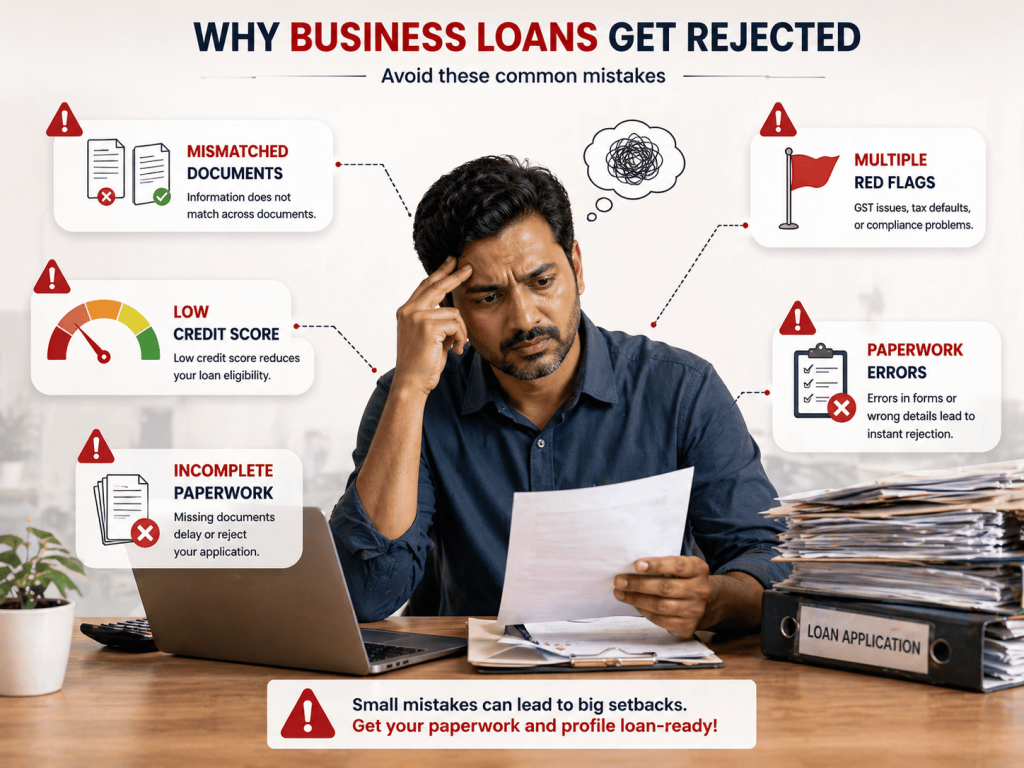
Many businesses fail to secure a micro, small and medium enterprises loan because of simple errors in the application phase.
- Document Discrepancies: Names and addresses must be consistent across Aadhaar, PAN, and GST certificates.
- Late Filings: Lenders view late GST or ITR filings as a sign of weak financial discipline.
- Vague Loan Purpose: A business should clearly articulate how the funds will be used, whether it is for buying a machine worth ₹5 lakh or expanding a shed in a rural industrial park.
- Ignoring the Credit Score: Even for a secured loan, a history of defaults on personal credit cards can lead to rejection, as it reflects on the “intent” of the promoter.
The Role of Archbridge Capital in Your Business Journey
In the journey from a small workshop to a medium-sized enterprise, the choice of a lender is a strategic decision. Archbridge Capital positions itself as more than just a source of funds; it is a partner focused on drive, fairness, and transparency. Whether it is a new micro, small and medium enterprises loan for a textile startup or a business loan balance transfer to reduce the monthly EMI burden, the goal is to provide simple and streamlined financial journeys.
As businesses look toward the future, the integration of technology and human-centric service will define the lending landscape. By following the MSME loan procedure outlined in this guide and ensuring adherence to the MSME loan criteria, entrepreneurs can unlock the capital they need to build lasting institutions.
As your enterprise grows in categories—from micro to small—your financial needs will evolve from simple working capital to sophisticated secured business lending. Archbridge Capital is here to bridge that gap, ensuring that every ambitious business in our operating regions has the capital it needs to scale.
Summary Checklist for MSME Loan Readiness
Before initiating your application for a micro small and medium enterprises loan, ensure you can check off the following items:
- Active Udyam Registration Certificate.
- Synchronized KYC documents (Aadhaar, PAN, Business Proof).
- Clean bank statements for the last six months.
- Property title deeds and recent tax receipts.
- A clear business plan detailing the use of funds.
- A CIBIL score of 680 or higher for the primary applicant (non-NTC).
- A person who is an NTC (New To Credit) is also eligible for the primary applicant.
By staying prepared and informed, the process of securing credit becomes a seamless milestone in your business’s growth story. In our upcoming blog, we will explore the benefits of a “balance loan transfer,” helping you understand how to switch to better terms and further optimize your business’s financial health.